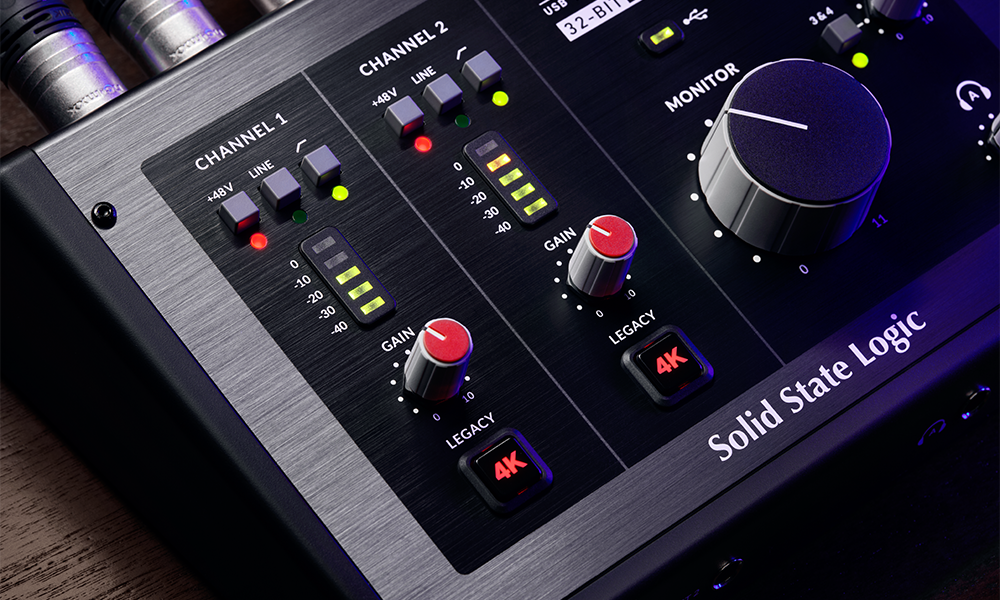
It sounds good as I mentioned earlier (cans only). I did not want to go into too much detail on the DAC L/R side as I have only listened a relatively short time. It is not easy to judge by merely switching drivers, as the gap is
by far too long for the ear to retain fine sonic signatures. You need near to instantaneous switching. And using just 1 test track is not really complete.
What I am reasonably sure of after
many switches across a looped passage with relevant sonic info, although relatively slowly is that the Crane Song Solaris Quantum DAC is superior from what I hear here (in this system/room, which is pretty ace I have to say.) and for what I am doing for work.
Crane Song soundstage overall is clearer, deeper (not really wider though) and easier to hear more precisely where sounds originate L to R (especially transients, percussion hats, sparkly details), transients stronger (can be described as punchy details) but also through the spectrum, a little less harsh up in the upper mids yet still detailed. Bass is not dissimilar as far as I recall though I will have a more close bass listening session as you can only really focus on a restricted range of audible factors at any one time.
Given the price difference not entirely surprising. Not that price is everything all the time, there are bargians to be had.
For the money it is very good and I am going to be very happy making my music on th SSL when the time comes. (current device for making music is an almost antique PCI RME 9632)
I think these 32 bit / 192kHz converters (which Crane Song uses also) are at a stage where for recording and mixing there is zero impediment to audio work, be it Audient/SSL/RME and pretty much any others (though I personally never found RME sounded superb, just good, but we buy it for drivers, hardware reliability and long term support which counts for much.)
Good 24/96 or 24/192 audo interfaces were never a barrier either but as I have said before in 2025 when it comes to results the biggest issue will be your abilty, your room and monitors. And I happen to consider all 3 are completely interdependent on each other (which can also inform tools choices)
As an example there is one software mastering EQ which makes things slightly smaller sounding when flat and engaged, this is repeatable, over and over again with ease, I hear this stuff quite easily. (Yet plug in doctor suggests nothing of concer or that should be audible, yet it absolutely repeatably is.) Once in a blue moon, smaller is what you might need to optimize something + unique curves = unique value over many years.
Anything is valid in optimizing audio at the final stage. I discount nothing.
Apologies to go self referencial but all listening
is. That is why it is called listening not measuring.

For myself details do matter considerably.